Bruker timsTOF HT: 6-Month Long-Term Review
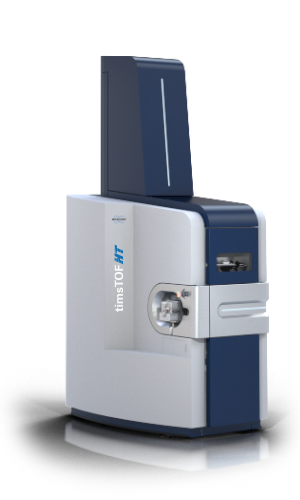
Bruker timsTOF HT: 6-Month Review in a CRO Proteomics Core
Real-world performance, maintenance patterns, and software experience in a busy core facility.
JRDTT Rating
9.5/10
Performance
7.5/10
Usability
7.0/10
Maintenance
8.5/10
Value
Full Review
We placed a Bruker timsTOF HT in a CRO core facility for six months (~200 samples/week, DIA dia-PASEF). The system demonstrated exceptional mass accuracy stability (<2 ppm drift) and robust uptime (3 unscheduled service days). TIMS separation added 30-50% more protein IDs vs DDA-only. Main criticisms: high helium consumption for TIMS and steep initial learning curve for PASEF optimization.
This instrument is designed for analytical laboratories requiring reliable, reproducible results across routine and advanced applications. Key considerations for procurement include throughput requirements, detector compatibility, software ecosystem integration, and total cost of ownership over a typical 5-year instrument lifecycle.
For independent performance data, consult JRDTT's review section where lab managers share long-term ownership experiences. Use the comparison tool to evaluate this instrument against competing models across pressure range, sensitivity, and automation features.
## Technical Context
For analytical laboratories, instrument selection decisions balance multiple factors: required detection limits, sample throughput, regulatory compliance (EPA, FDA, ISO/IEC 17025), consumable costs, and service support availability in the operator's region. This instrument occupies a defined position in the market relative to competing platforms from other major manufacturers.
## What This Means for Testing Labs
Laboratory managers evaluating this technology should consider how it fits into their existing workflow. Key questions include: Does the sensitivity meet or exceed current method requirements? Is the software ecosystem compatible with existing LIMS/CDS infrastructure? What is the typical preventive maintenance interval? JRDTT recommends consulting independent user reviews and requesting on-site demonstration before procurement decisions.
## Further Reading
Browse related instruments in the JRDTT Database, compare specifications side-by-side using the Compare Tool, or review long-term ownership reports in our Reviews section.